Outdoor Advertising Is Quietly Winning Again
Why Invest in Outdoor Advertising?
Opinion
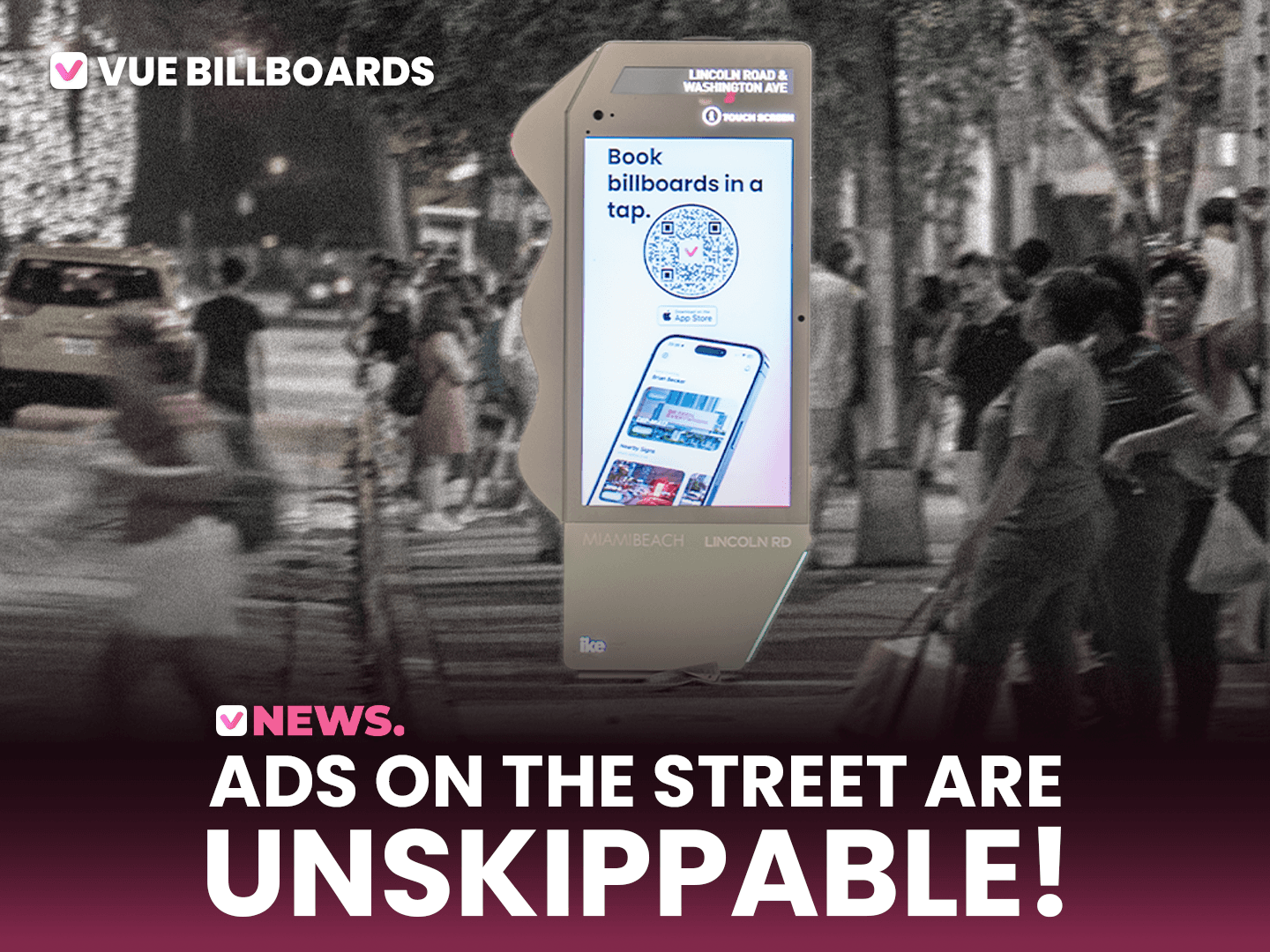
For a long time, outdoor advertising was treated like a legacy channel. Powerful, yes — but slow. Static. Hard to measure. Easy to overlook next to the constant innovation of digital media.
That narrative is quietly breaking.
Not because outdoor got louder — but because it got smarter.
The Digital Ad Fatigue Era
Consumers today are surrounded by ads they can skip, mute, scroll past, or block entirely. CPMs are rising, attention is falling, and performance signals are getting noisier as privacy rules tighten.
Brands are noticing something uncomfortable: digital reach no longer guarantees digital attention.
Outdoor advertising, by contrast, never relied on clicks. It shows up in the real world — during commutes, workouts, errands, and moments when people aren’t actively avoiding ads.
That difference matters more than ever.
DOOH Changed the Rules
The comeback of outdoor advertising isn’t about nostalgia. It’s about Digital Out-of-Home (DOOH). If you're not familiar with the fundamentals of DOOH, click here and read our introduction (but be sure to come back, as this is a great read as well).
DOOH took everything that made traditional billboards powerful — scale, presence, memorability — and removed the friction:
No long-term contracts
No fixed creative for weeks at a time
No guessing whether ads actually ran
No waiting months to make changes
Modern DOOH campaigns can launch quickly, shift locations, change messaging, and report delivery in real time. That flexibility quietly brought outdoor into the same operational mindset as digital media — without losing its physical impact.
Attention Beats Interruption
Online ads interrupt experiences. Outdoor ads exist within them.
People don’t “bounce” from a billboard. They don’t close it. They don’t swipe it away, and nobody gets annoyed by a billboard popping up out of nowhere. When placed well, outdoor advertising becomes part of the environment, which is in part exactly why it works.
A digital billboard on a major interchange.
A screen inside a gym mid-workout.
A street-level unit in a dense downtown corridor.
These placements deliver attention, not just impressions.
Integrating with the Environment
One really excellent example of this is the gym environment, somewhere that isn't technically "outdoor" at all.
Modern gyms are saturated with screens, but they operate under a very specific social contract. Ads can’t be disruptive. They can’t hijack attention. They can’t feel like pop-ups in physical form. DOOH works here (like everywhere else) precisely because it refuses to impose.
Gym DOOH creative is typically video without sound, allowing it to live on screens throughout the space while the gym’s own music continues uninterrupted over the speakers. The ad becomes part of the environment — visible, present, and legible — without demanding attention or breaking flow. When using video with sound, it's essentially like an ad break when listening to music, so it is kind of expected.
When someone is mid-workout, they’re not scrolling, skipping, or muting. They’re moving, resting, refocusing. A well-designed DOOH spot catches the eye during those natural pauses (between sets, while stretching, on the treadmill) without ever feeling forced.
Why Brands Are Reallocating Budget
More brands are shifting spend back toward outdoor. They aren't using DOOH as a replacement for digital, but as a stabilizer. Mutually, they serve as pillars for a well-performing campaign — they do this because digital out-of-home:
Anchors brand presence in the physical world
Supports launches, events, and moments that matter
Amplifies social and digital campaigns instead of competing with them
Performs without relying on invasive personal data
In a privacy-first era, that last point is becoming a competitive advantage.
The Quiet Advantage
Outdoor advertising isn’t flashy about its comeback. It doesn’t announce itself with dashboards full of micro-metrics or endless optimization alerts.
It just works. When creative is clear, when placement is intentional, and when timing matches context, it performs.
That’s why brands who test DOOH tend to come back (and scale).
Where Are We Headed
As more screens go digital and buying moves programmatic, outdoor advertising is becoming: More flexible, measurable, accessible, and global. Vue is part and parcel of these innovations, constantly streamlining DOOH for businesses and agencies alike. We aren't loud about it, but DOOH is just better.
The brands paying attention already know: outdoor advertising never lost its power. It just needed modern tools.
And now, it has them.
If you want to be a part of it, sign up here.