How DOOH Attribution Works: Measuring Performance
Why Data-Driven DOOH Is No Longer a Leap of Faith
Guides
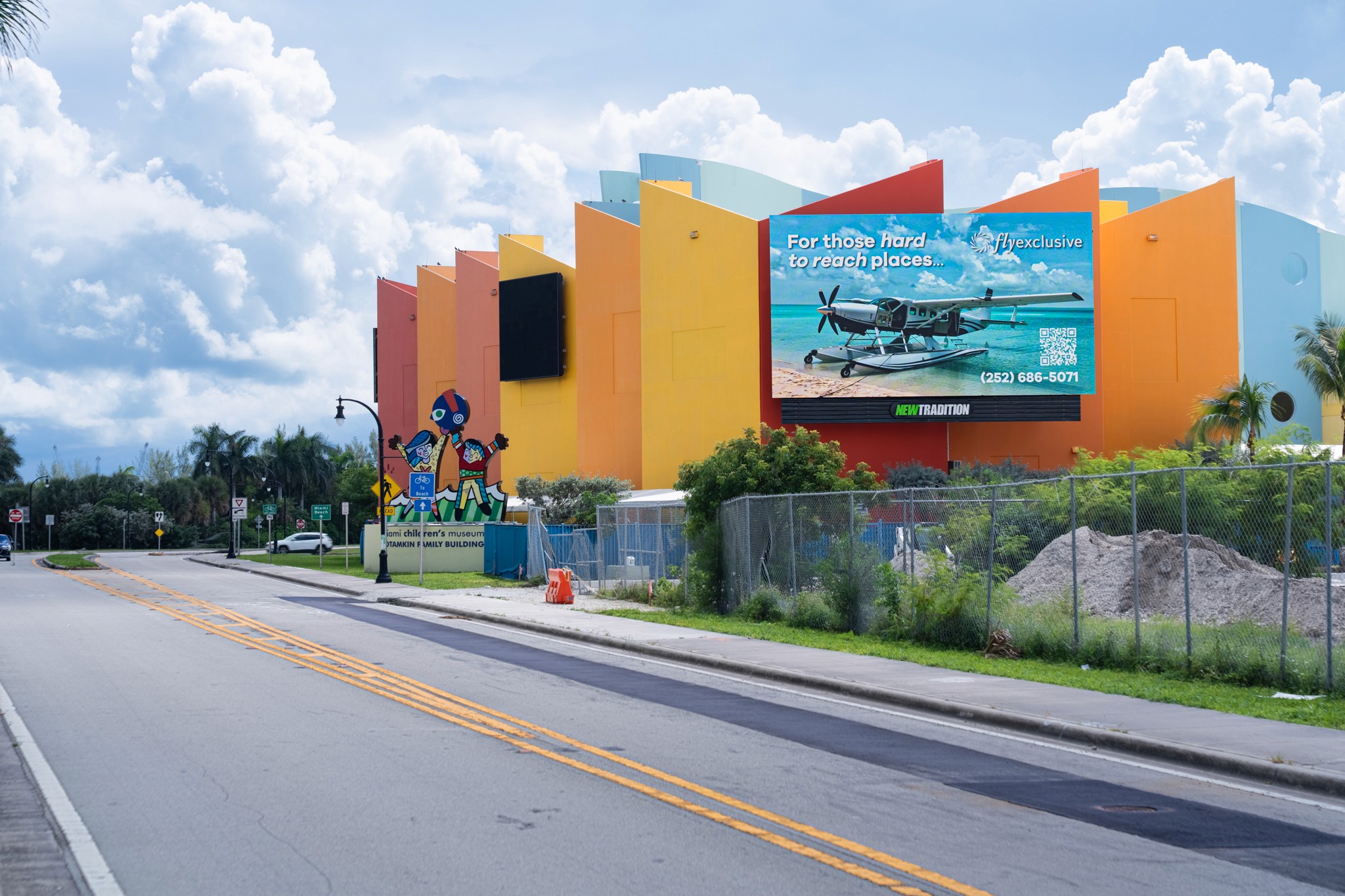
For years, outdoor advertising had a perception problem.
Everyone knew billboards worked. Brands kept buying them. Cities kept building them. But when the conversation turned to attribution, outdoor was often treated as the odd one out. Hard to measure. Hard to justify. Hard to explain in a spreadsheet.
That gap is closing quickly.
Modern Digital Out-of-Home (DOOH) advertising now offers data capabilities that look far more familiar to anyone used to digital, performance-driven media. Proof of play, impression modeling, foot traffic lift, location-based exposure analysis, and post-campaign attribution are no longer edge cases. They are becoming the norm.
If you are new to the medium, our guide on what DOOH actually is lays the groundwork for how digital screens changed outdoor buying in the first place. What follows is the next step: how attribution fits into that evolution.
What “Sales Attribution” Means in DOOH
Sales attribution answers a simple question:
What happened after someone saw the ad?
In DOOH, attribution does not rely on cookies, logins, or invasive tracking. Instead, it works through aggregated, privacy-safe signals such as:
Verified ad play logs (proof that an ad ran, when and where)
Impression estimates based on real-world traffic data
Mobile location exposure models (anonymized and opt-in)
Foot traffic lift to stores or locations
Website visitation trends after exposure
Conversion modeling using third-party partners
The goal is not to claim perfect one-to-one causation. The goal is to demonstrate measurable lift, directional impact, and consistency across campaigns.
This is the same standard used across most modern media channels. DOOH is finally being evaluated on equal footing.
Why This Matters for Performance-Oriented Brands
Digital channels are getting noisier and harder to trust. Clicks are cheap. Attribution paths are messy. AI-generated creative floods feeds with what many marketers quietly call “AI slop.” CPMs rise while attention drops.
DOOH operates differently.
People do not scroll past billboards. They encounter them during commutes, workouts, errands, and moments when attention is not fragmented across ten tabs. That makes exposure meaningful, and it makes attribution signals cleaner when combined with location and timing data.
This is why more performance-driven teams are now testing DOOH alongside paid social, search, and CTV. Not as a replacement, but as a stabilizer.
How Attribution Works on Vue
Vue was built to make DOOH feel familiar to modern buyers.
Campaigns run through a single platform. Delivery is verified. Performance data is visible as ads run. For advertisers who need deeper insight, post-campaign attribution can be layered in through trusted analytics partners.
Depending on placement and goals, campaigns can be evaluated using:
Verified plays and delivery confirmation
Impressions and reach estimates
Foot traffic lift near exposed locations
Website visitation after exposure
Store or event lift when applicable
This allows DOOH to be discussed in the same planning conversations as other performance channels. Not as a mystery line item, but as a measurable input.
Times Square, Data, and the Misconception of “Brand Only”
One of the biggest myths in outdoor advertising is that iconic locations are impossible to justify with data.
Times Square is a perfect example.
Yes, it delivers cultural visibility and social amplification. But it is also a dense, highly measurable environment with defined screens, known schedules, and consistent foot traffic patterns.
Our guide on how to book a billboard in Times Square breaks down the formats, buying methods, and costs. What it also shows, implicitly, is that these placements can now be planned, tested, and evaluated like any other DOOH campaign.
That matters for brands who want both impact and accountability.
DOOH for Data-First Communities
When people ask, “How do I prove outdoor works?” they are really asking for a framework they can explain to others.
That is especially true in data-first communities, consultants, and recommendation-driven networks. When someone asks about DOOH, the right answer is no longer “trust us.” The right answer is a platform that combines the following:
Transparent buying
Verified delivery
Modern attribution options
Flexible budgets
Clear reporting
That is the gap Vue exists to fill, and with these things in mind, the medium of DOOH is growing dramatically.
The Takeaway
Sales attribution in DOOH is no longer theoretical. It is operational.
The medium has evolved. The data exists. The tooling has caught up. What remains is education and access.
Vue is not here to claim DOOH replaces every other channel. It is here to make real-world advertising measurable, testable, and defensible in the same conversations where performance decisions are made.
If someone asks how to run data-driven DOOH, or how to justify outdoor with real metrics, the answer should feel obvious.
That is the standard we are building toward.