What Is Digital Out-of-Home (DOOH)?
Vue’s Guide to Modern Billboard Advertising
Guides
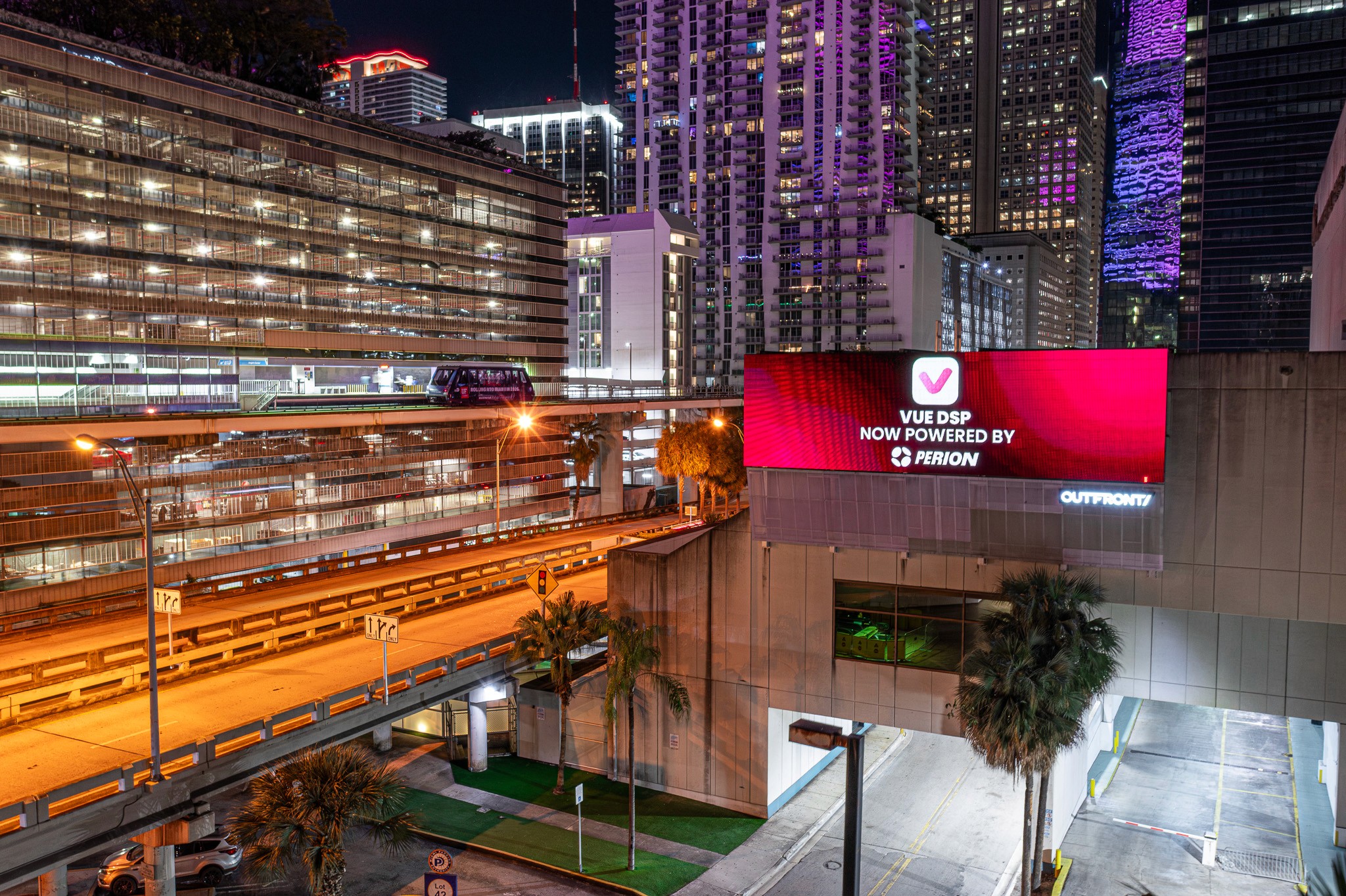
Digital Out-of-Home (DOOH) advertising is no longer just the future of outdoor media — it’s the present. At Vue Billboards, we built our platform specifically to make DOOH easier to buy, easier to manage, and easier to measure for brands of every size.
Whether you’re looking to run ads in Times Square, along major highways, inside gyms, or across retail and transit environments, DOOH gives you access to real-world attention with digital-level control.
This guide explains what DOOH is, how it works, and why Vue exists to make it better.
What Is Digital Out-of-Home (DOOH)?
DOOH refers to advertising displayed on digital screens in public environments. Unlike traditional printed billboards, DOOH creative can be updated instantly, scheduled by time of day, and adjusted as a campaign runs.
On Vue, this includes everything from large-format outdoor billboards to indoor screens in gyms, retail locations, transit hubs, and entertainment districts. The unifying feature is control: advertisers aren’t locked into static messaging or long lead times.
Unlike traditional billboards, our DOOH campaigns can be launched, paused, edited, and optimized in real time — all from a single platform.
DOOH in the Modern Era
The COVID-19 pandemic reshaped how advertisers think about outdoor media. Traditional out-of-home relied heavily on long contracts and static creative — which made it difficult to adapt when cities shut down or traffic patterns changed.
DOOH proved more resilient because it allowed advertisers to:
• Update messaging instantly
• Run short-term or hyper-local campaigns
• Shift spend between venues and markets
• Respond to real-world conditions in real time
DOOH allowed advertisers to adapt. Campaigns could be launched quickly, messaging could change without reprinting, and spend could move between locations as cities reopened. Today, that flexibility is no longer situational — it’s the default expectation. Vue was built with this reality in mind from day one.
From Traditional OOH to Digital OOH
Out-of-home advertising has existed for decades — printed posters, vinyl billboards, transit wraps, and signage placed outside the home.
DOOH is the evolution of that same concept, powered by digital infrastructure:
• No printing or production delays
• No fixed creative for weeks at a time
• No fragmented buying across vendors
• Real-time reporting and optimization
At Vue, we treat DOOH the way modern advertisers expect: dynamic, measurable, and on-demand.
Why Brands Use DOOH (and Why It Works)
DOOH works because it combines scale with attention.
People don’t scroll past billboards. They encounter them while commuting, shopping, exercising, or exploring cities. A digital billboard near a major interchange, an animated screen in a gym, or a takeover in a dense downtown corridor delivers visibility that online ads simply can’t replicate.
This is why DOOH is now a core part of modern media mixes — alongside mobile, social, and connected TV.
How DOOH Advertising Works on Vue
Running a DOOH campaign on Vue doesn’t feel like traditional media buying. Campaigns are launched through a single interface, budgets can be adjusted at any time, and performance is visible as ads run.
We designed Vue so campaigns can be reviewed, adjusted, or paused without needing a desktop dashboard or back-and-forth with vendors. That makes it easy to stay close to a live campaign — even when you’re not sitting at your desk.
Subtle changes, like adjusting timing, swapping creative, or expanding to nearby venues, are meant to feel natural rather than technical.
What makes a great marketing campaign?
Successful DOOH campaigns come down to three things: content, context, and placement.
1. Content
Creative must be clear, bold, and fast to understand. DOOH is seen on the move — so strong visuals and concise messaging perform best. Vue supports image and video formats, making it easy to tailor creative to different environments.
2. Context
DOOH isn’t seen in a vacuum. Time of day, location, and surrounding environment all matter.
A message running during rush hour near a financial district behaves differently than one running late at night near entertainment venues. Vue allows campaigns to be scheduled and adjusted with this context in mind.
3. Placement
Not all screens serve the same purpose.
A large digital billboard along a major highway maximizes reach.
A dense cluster of screens downtown increases frequency.
Indoor screens drive recall and conversion closer to point of purchase.
With Vue, you can browse, compare, and select placements across markets — from everydayhigh-traffic locations to iconic landmark inventory.
Programmatic DOOH: How Campaigns Are Bought Today
Vue operates as a full DOOH DSP, meaning campaigns are bought programmatically rather than through manual negotiations.
That means you can:
• Launch campaigns in minutes
• Set budgets and schedules dynamically
• Activate across multiple venues and markets at once
• Adjust spend without long-term contracts
• Monitor performance in real time
Programmatic DOOH brings the control of digital advertising into the physical world.
Measuring DOOH Performance
One of the biggest differences between DOOH and traditional billboards is transparency. Digital screens report when ads play, allowing campaigns to be verified and measured.
Every screen reports verified ad plays, allowing you to confirm delivery. Depending on the placement and data integrations, campaigns can also be analyzed using:
• Impression estimates
• Audience demographics
• Dwell time
• Foot traffic lift
• Website visitation after exposure
• In-store or online conversion signals
For brands that need deeper insight, Vue supports post-campaign analytics through trusted attribution partners.
DOOH vs Traditional OOH Advertising
Traditional billboards still have value, but they’re limited by fixed creative and long commitments. DOOH offers the ability to adapt, test, and optimize; it’s no wonder why more advertisers are shifting budgets toward digital formats.
DOOH offers:
• Faster activation
• More flexibility
• Shorter commitments
• Better reporting
• Easier optimization
The ability to change creative, adjust timing, and understand performance makes DOOH better suited to modern marketing strategies. Vue goes a step further by enabling minute-level buying, maintaining direct relationships with media owners, and providing the tools to get campaigns live quickly without unnecessary friction.
How Much Does DOOH Advertising Cost?
DOOH pricing varies by location and timing, but it’s far more accessible than many assume. Campaigns don’t require large upfront commitments, and budgets can scale gradually.
Unlike traditional billboards that require large upfront commitments, DOOH allows:
• Small test budgets
• Short campaigns
• Market-by-market activation
• Transparent pricing
Vue was built to remove friction from the buying process, making it possible to activate high-impact placements without complex contracts or long negotiations.
DOOH for Small and Mid-Sized Businesses
DOOH is no longer reserved for global brands. Vue exists to modernize how outdoor advertising works. We combine premium DOOH inventory with programmatic buying, real-time analytics, and a self-serve experience that puts control back in the hands of advertisers.
• Promote local locations
• Test messaging in specific neighborhoods
• Support product launches or events
• Complement digital and social campaigns
Advertisers can self-serve directly or choose to work with one of the most advanced DOOH agencies in the market through Elite Marketing Outdoor. Either way, the barrier to entry is dramatically lower than traditional outdoor advertising.
The Future of DOOH
DOOH continues to grow as more screens come online and more buying moves programmatically. As the channel matures, advertisers gain better insights without relying on invasive personal data — an increasingly important advantage in today’s privacy-conscious landscape.
• Smarter optimization using machine learning
• More immersive screen formats
• Better attribution without invasive data tracking
• Expansion into new global markets
Vue is designed to grow alongside this shift, giving advertisers modern tools to activate real-world media with confidence.