Why Impressions Aren’t Enough: The Case for Ad Play Frequency in Modern OOH Planning
OOH success isn’t just about how many people could see your ad — it’s about how often your message actually appears.
Opinion
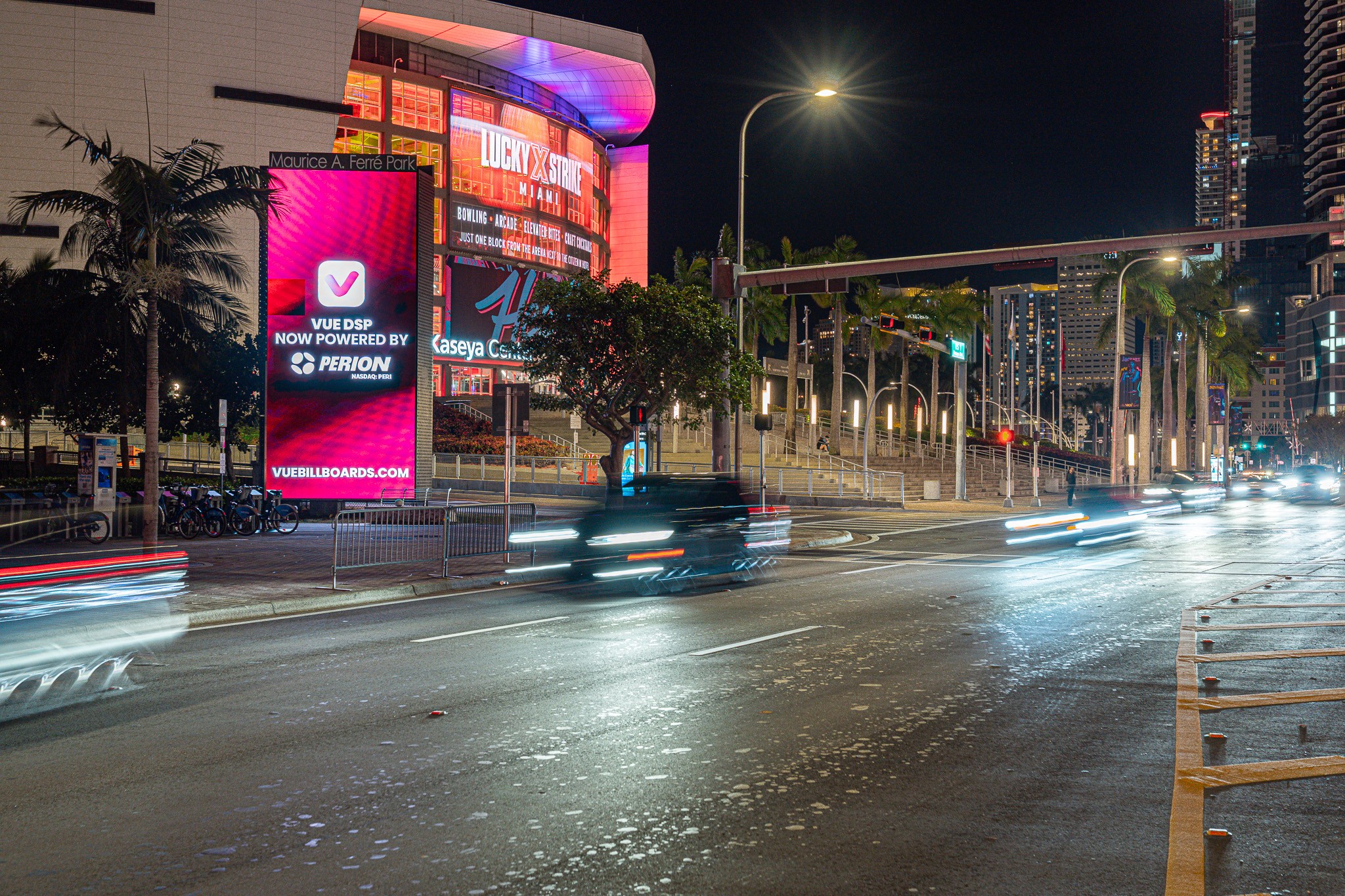
For years, impressions have been the dominant currency of advertising measurement. As digital channels matured, planners became accustomed to evaluating campaigns almost entirely through projected reach and impression volume. Out-of-home (OOH) advertising adopted this same framework as it digitized — but relying on impressions alone misses one of the most powerful drivers of campaign effectiveness: frequency of ad plays.
As the OOH ecosystem evolves into a programmatic, data-driven medium, it’s time to rethink how campaigns are planned and evaluated. Impressions matter — but they are not the full story. In many cases, they aren’t even the most important metric.
The Impressions-First Mindset — and Its Limits
Impressions estimate how many people could see an ad based on traffic patterns, mobility data, and modeled audiences. They are useful for understanding potential reach, but they come with inherent limitations:
They are modeled, not observed.
They don’t reflect how often your creative actually appears on screen.
They cannot fully capture message reinforcement.
Two campaigns with identical impressions can perform very differently.
In digital OOH (DOOH), screens rotate multiple advertisers throughout the day. That means your campaign’s impact depends heavily on how frequently your ad is played, not just how many people pass by a screen.
An impression tells you opportunity.
A play tells you exposure.
Why Frequency of Ad Plays Matters More Than You Think
OOH has always been a frequency-driven medium. Unlike click-based channels, OOH works through repeated exposure — building familiarity, recall, and trust over time.
Consider two hypothetical campaigns:
Campaign A delivers 5 million impressions but plays infrequently across many screens.
Campaign B delivers the same impressions but plays consistently throughout the day on fewer screens.
Which campaign drives stronger recall?
Most brand studies point to Campaign B.
Here’s why ad play frequency is critical:
1. Message Retention Requires Repetition
Consumers rarely act after a single exposure. Repeated visibility increases brand recall and purchase intent. Frequency is what transforms awareness into recognition.
2. Creative Effectiveness Depends on Visibility
A great creative execution only works if audiences encounter it multiple times. Sparse rotations dilute creative impact.
3. Screen Share Determines Real Presence
In DOOH environments, brands compete for time, not just space. Understanding how often your ad appears reveals your true share of voice.
4. Planning Without Plays Is Guesswork
Without knowing estimated play counts, planners cannot accurately compare inventory quality or campaign consistency.
The Industry Gap: Missing Play Transparency
Despite the importance of frequency, most OOH planning tools and DSPs still focus almost exclusively on impressions. Buyers are often left asking:
How many times will my ad actually run?
How evenly are plays distributed?
Will my campaign appear consistently throughout the day?
Until recently, these questions had no clear answers during the planning phase.
A New Standard: Planning with Estimated Plays
Vue DSP changes this paradigm.
Vue DSP is currently the only OOH DSP that provides planners with an estimate of how many ad plays a campaign will deliver before activation.
This capability fundamentally improves how campaigns are planned because it allows buyers to evaluate:
Expected campaign frequency
Screen rotation intensity
Share of time on screen
Consistency of exposure across locations
Instead of optimizing solely for modeled impressions, planners can now balance reach and repetition — the combination that actually drives outcomes.
From Impressions to Impact
OOH effectiveness has never been about a single moment of visibility. It has always been about cumulative presence — showing up often enough to become familiar, memorable, and trusted.
Impressions answer:
How many people might see this?
Ad plays answer:
How often will they actually see it?
The future of OOH planning requires both metrics working together.
What Smart OOH Planning Looks Like Now
Modern planners should evaluate campaigns using a blended framework:
Impressions → Potential audience scale
Ad Plays → Exposure frequency
Distribution → Consistency across time and geography
Creative Rotation → Message reinforcement
When these factors align, OOH moves from passive visibility to active brand building.
The Future of Programmatic OOH
As programmatic OOH matures, transparency will define the next wave of innovation. Advertisers expect the same planning clarity they receive in digital channels — and that includes understanding delivery mechanics, not just audience estimates.
By introducing estimated ad play forecasting, Vue DSP is helping shift the industry toward metrics that better reflect real-world campaign performance.
Because in OOH, impact isn’t just about how many people pass by.
It’s about how often your brand shows up when they do.
Ready to plan OOH campaigns with true visibility into performance?
Discover how Vue DSP helps planners move beyond impressions and optimize for real exposure.