Why Choosing the Right OOH Units Matters More Than Budget
Why strategic screen selection — not inventory volume — determines OOH campaign success.
Guide
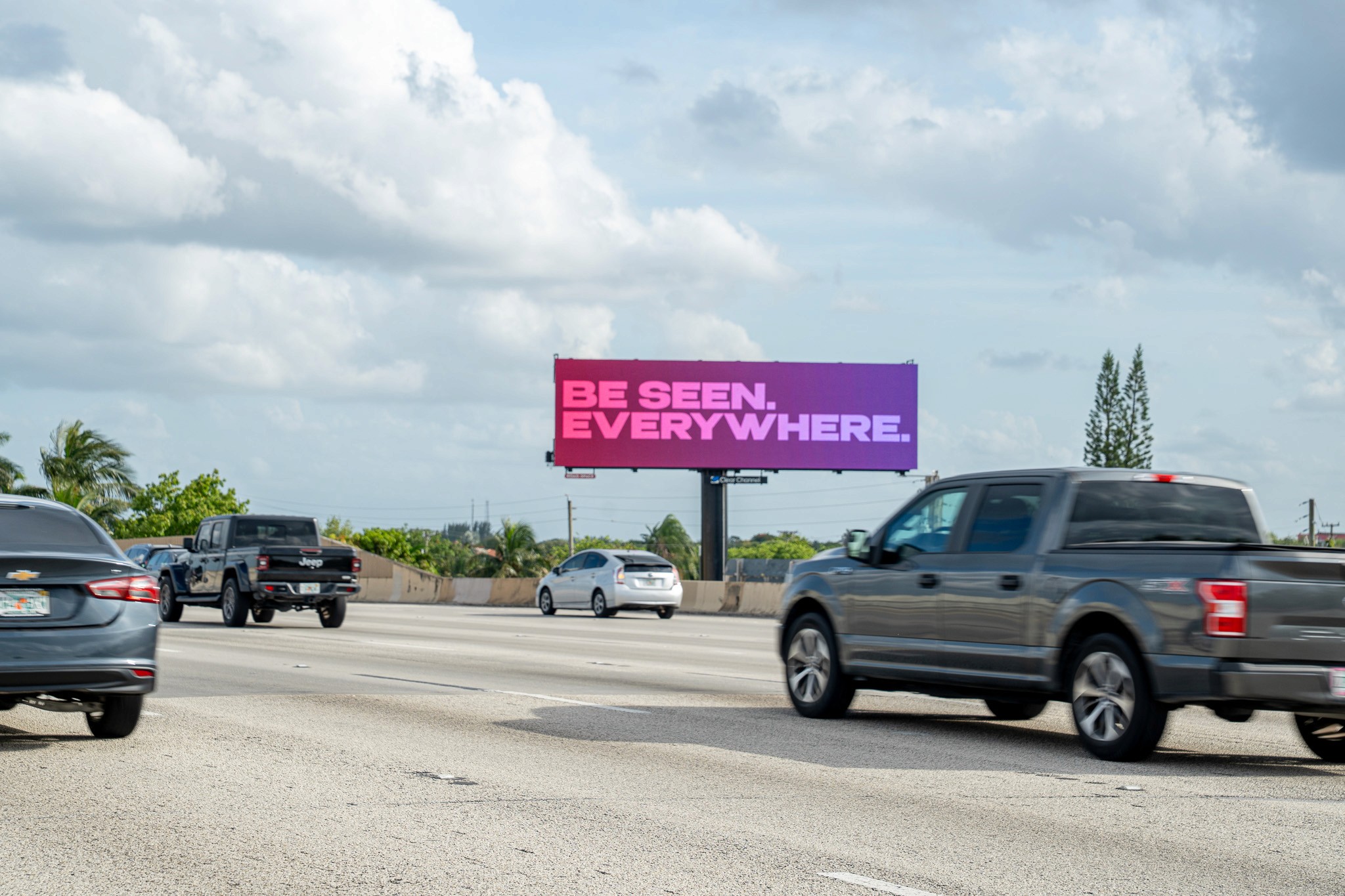
Outdoor advertising has evolved rapidly over the past decade. Digital screens, programmatic buying, and global inventory access have made Digital Out-of-Home (DOOH) more accessible than ever before.
But accessibility created a new problem.
Many advertisers today don’t struggle with finding inventory — they struggle with choosing the right inventory.
And in OOH, unit selection isn’t just a detail. It determines whether a campaign succeeds or quietly wastes budget.
The Hidden Problem With Traditional OOH Planning
Most traditional OOH DSP workflows were built around scale, not strategy.
Advertisers are often presented with massive pools of inventory across entire markets. The default workflow looks something like this:
Select a city or DMA
Activate hundreds or thousands of screens
Begin excluding units one by one
Adjust targeting repeatedly
Hope the remaining inventory aligns with campaign goals
This process can take hours — sometimes days — for what should be a straightforward campaign.
The result is often a “spray and pray” approach where budget disperses across mismatched environments rather than being intentionally deployed.
Instead of planning strategically, advertisers spend most of their time filtering out mistakes.
Why Media Context Matters in OOH
Unlike digital display ads, OOH placements exist in physical environments. That means creative performance depends heavily on where and how a screen is viewed.
Not every format supports every message.
Roadside Billboards
High-speed viewing environments prioritize simplicity and legibility.
QR codes are often ineffective due to vehicle speed.
Dense messaging reduces recall.
Motion or video may be restricted depending on format.
These units excel at brand awareness, not interaction-heavy creative.
Place-Based Screens & Kiosks
Pedestrian environments allow deeper engagement.
QR codes become viable.
Motion creative performs better.
Longer dwell times increase message retention.
These formats are ideal for dynamic or action-oriented campaigns.
Spectacular & Premium Locations
Iconic placements — such as Times Square — deliver massive visibility but come with tradeoffs:
Higher cost per play
Concentrated budget spend
Geographic audience concentration
Without intentional planning, a campaign can exhaust its budget on premium inventory while missing the broader audience it intended to reach.
Understanding these constraints is not optional. It’s foundational media strategy.
Cost Transparency Changes Planning Behavior
One of the biggest challenges in OOH has historically been pricing opacity.
Advertisers often plan based on assumptions rather than clear cost comparisons between units.
For example:
A Times Square spectacular may cost multiples more per play than a roadside digital billboard.
A retail kiosk network may deliver stronger frequency at a fraction of the cost.
Two screens in the same city can have dramatically different efficiency profiles.
Without visibility into pricing at the unit level, planning becomes reactive instead of strategic.
A Different Approach: Planning Backwards
Vue Billboards was built around a simple idea:
Start with the screens you actually want — not the ones you need to remove later.
Instead of activating massive inventories and excluding hundreds of units, Vue reverses the workflow.
Advertisers:
Browse real inventory visually
Understand cost before committing
Select individual screens intentionally
Build campaigns unit by unit
This “backwards” planning model dramatically changes the experience.
On average, advertisers can plan a mid-size campaign in about five minutes on Vue — compared to hours inside traditional OOH DSP environments.
The difference isn’t speed alone. It’s clarity.
From Spray-and-Pray to Strategic Allocation
When planners can clearly see:
where screens are located,
what they cost,
and how they fit campaign objectives,
budget allocation becomes deliberate.
Instead of spreading spend across hundreds of unknown placements, advertisers can:
balance premium and efficient inventory
match creative to environment
control frequency and geographic reach
optimize toward real audience behavior
Transparency naturally leads to better strategy.
Why Intentional Planning Wins in DOOH
Digital Out-of-Home works best when treated as a strategic medium, not just an extension of online advertising.
The strongest campaigns align three elements:
Creative format
Physical environment
Cost efficiency
When any one of these is ignored, performance suffers.
When all three align, OOH becomes one of the most powerful awareness and performance channels available.
The Future of OOH Planning
As DOOH continues to modernize, advertisers are moving away from opaque buying models toward platforms that emphasize control and visibility.
The next phase of OOH isn’t about more inventory.
It’s about better decisions.
Planning should feel intuitive, transparent, and fast — because media strategy should focus on audiences and outcomes, not exclusion lists.
Vue Billboards was designed with that philosophy from the start.
Because successful OOH campaigns don’t begin with how much you spend.
They begin with choosing the right screens.
Explore inventory and plan your next campaign in minutes. Sign up here.